Published by Medical Muse, a medical school admissions consulting company that offers personalized support to help medical school applicants successfully navigate the competitive admissions landscape.
Table of Contents
Standing out in the medical school admissions landscape requires more than just high grades and standard check-the-box experiences. With thousands of applicants boasting excellent metrics, admissions committees increasingly look for individuals who demonstrate true initiative under the AAMC’s holistic admissions framework.
If you want to showcase your unique drive, learning how to start a passion project for medical school can change the trajectory of your entire application. This self-driven journey transforms your curiosity into a tangible, long-term asset that highlights your leadership, resilience, and empathy.
Defining the Pre-Med Passion Project
The Quick Answer:
A passion project is a self-directed, long-term initiative rooted in a student’s curiosity or personal interests. Unlike standard volunteer hours, these projects typically span one to three years, require independent problem-solving, and result in a distinct, real-world impact that clearly demonstrates the AAMC’s core competencies for entering medical students to admissions committees.
Many students believe these initiatives and standard club memberships offer similar benefits. A passion project requires you to take the driver’s seat, identifying a specific problem in healthcare, education, or community wellness and building a solution from the ground up. This framework proves to admissions officers that you possess the intrinsic motivation necessary to thrive in the world of medicine.
Why Passion Projects Elevate Your Application
The Takeaway:
Traditional application activities often look similar across thousands of profiles, making it difficult to catch an admissions reader’s eye. A customized project breaks this monotony by providing concrete, qualitative proof of your leadership and long-term dedication.
When admissions committees review your portfolio, they look for indicators of your future bedside manner and professional resilience. A self-led project gives you unique stories to tell during interviews, shifting the conversation away from standard test metrics and toward your real-world problem-solving abilities.
To see how these self-directed endeavors elevate a portfolio, consider the following:
| Activity | Standard Pre-Med Extracurricular Activities | Passion Projects |
| Time Commitment | Fixed weekly shifts (e.g., 2–4 hours) | Variable, long-term development over 1–3 years |
| Autonomy Level | Lots of teamwork; following organizational protocols | High levels of individuality and leading teams |
| Application Impact | Quantitative hours added to a generic list | Qualitative narrative that makes a medical school application stand out |
| Primary Skill Cultivated | General observation and basic task execution | Active project management, budget planning, and community outreach |
Project Blueprint for Pre-Med Success
In Short:
Successfully launching your project involves transitioning ideas to milestones. Applicants must choose an authentic area of interest, establish structured goals, build a system that survives their graduation, and carefully document their progress.
Brainstorming Unique Pre-Med Projects
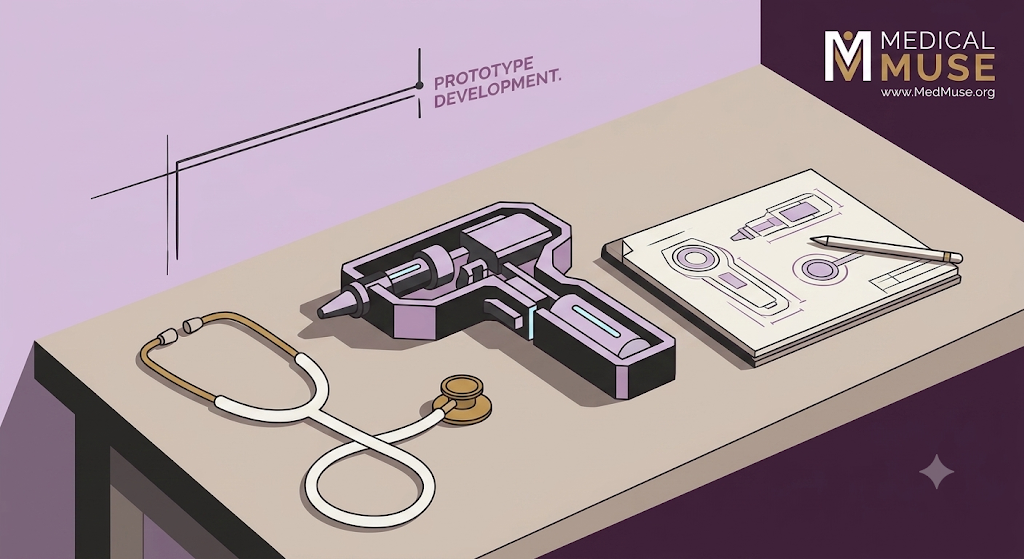
The strongest initiatives sit at the intersection of your personal interests and pressing community needs. Do not build a project simply because you think it looks good on paper; adcoms can easily spot superficial motives. For example, if you enjoy technology and notice mobility barriers in your local clinic, you might design open-source, 3D-printed assistive devices to improve accessibility. This demonstrates initiative and empathy.
Setting SMART Goals for Pre-Med Extracurricular Activities
Vague ideas lead to stalled progress. To maintain momentum, break your vision down into Specific, Measurable, Achievable, Relevant, and Time-bound milestones. Instead of aiming to “help local clinics,” commit to “partnering with three local clinics to distribute bilingual health literacy pamphlets by the end of the third quarter.” Record your progress routinely to keep track of everything you’ve completed.
Ensuring Your Medical School Application Stand Out Through Sustainability
Admissions committees value long-time commitment over short-lived trends. The best projects include a clear hand-off or continuity plan that ensures the work continues making a difference after you leave. Consider establishing an undergraduate student organization, creating a permanent community committee, or training younger peers to take over your responsibilities once you transition into medical school.
Navigating Challenges with Resilience
The Bottom Line:
Roadblocks are an inevitable yet valuable part of the project lifecycle. Experiencing delays, funding shortages, or community pushback gives you an ideal opportunity to practice adaptive leadership, pivot your strategy, and develop the exact professional coping skills required of future physicians.
When you write your application essays, do not shy away from discussing the moments where your project faltered. Describing how you navigated a budget deficit or redesigned a flawed community program shows mature self-awareness. Admissions panels do not expect perfection; they want to see that you can handle uncertainty without giving up.
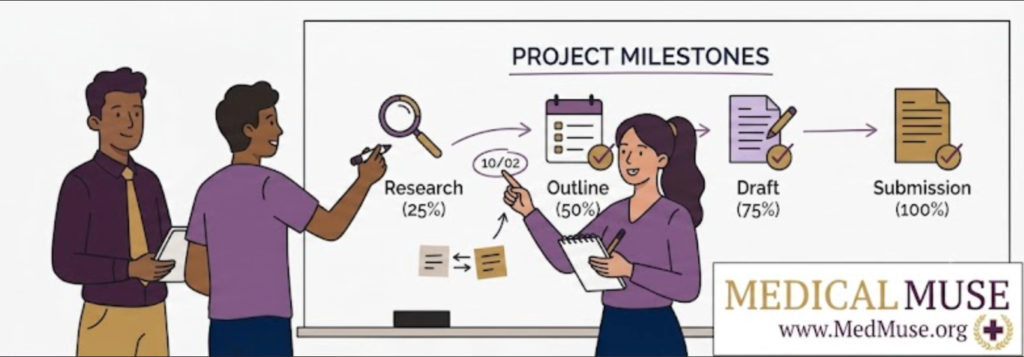
Building a profile takes careful planning, consistent execution, and expert positioning. If you are trying to determine how your unique projects fit into your broader timeline, a Medical Muse Profile Gap Analysis offers an expert review to map out your milestones effectively. For continuous accountability and long-term milestone planning from brainstorming through your final submission, our structured Elite Advising or Signature Advising packages provide the personalized mentorship required to refine your narratives and ensure your hard work gets the attention it deserves from admissions committees.
Frequently Asked Questions
Do passion projects replace traditional clinical hours?
No, these projects supplement your application rather than replacing core requirements. Admissions committees still expect to see standard clinical exposure and physician shadowing. You can read more via the AAMC’s guidelines on gaining medical experience to understand how to properly balance these elements. Use your project to add a unique, personalized layer to an already solid pre-med foundation.
Can my project be entirely unrelated to medicine?
Yes, non-medical projects are highly valued if they show deep commitment and leadership. Building a non-profit music program for underprivileged youth or designing a community recycling tracking application shows transferable soft skills that translate into a medical career.
How do I fund my project without personal resources?
Many successful projects rely entirely on crowdsourcing, local community grants, or university-backed undergraduate research fellowships. Partnering with existing campus organizations or local non-profits can also provide you with immediate access to resources, space, and mentoring networks without out-of-pocket costs.
When is the ideal time to start a project?
Now! Starting early gives you the runway needed to experience setbacks, iterate on your designs, achieve measurable community outreach, and show the long-term commitment admissions officers value.