Published by Medical Muse, a medical school admissions consulting company that offers personalized support to help medical school applicants successfully navigate the competitive admissions landscape.
Table of Contents
What Counts as Clinical Hours for Med School?
The Bottom Line: To count as clinical hours for med school, you must be close enough to patients to physically interact with them or actively participate in their care. Acceptable clinical hours include hands-on roles like EMTs, CNAs, and medical assistants, alongside observational or supportive roles like medical scribing and hospice volunteering.
For individuals embarking on a career in the healthcare field, gaining substantive clinical experience is crucial. These experiences provide hands-on training and offer crucial insights into the day-to-day realities of medical practice, allowing students to practice the AAMC’s core competencies while strengthening their applications for medical schools.
To help you choose the right path for your timeline and background, here is how six selected clinical experiences compare:
| Clinical Pathway | Minimum Training Timeline | Required Certifications | Primary Duty |
| 1. Clinical Research Assistant | 0 to 3 Months | High School Diploma, BS, or BSN | Patient-facing trial tasks (consenting, vitals, patient interviews). |
| 2. Emergency Medical Technician | 3 to 6 Months | NREMT Exam & State Licensure | Pre-hospital emergency care and patient transport. |
| 3. Medical Assistant | 1 to 12 Months | CCMA, CMA, RMA, or NCMA | Patient examinations, administrative tasks, and pre/post-op care. |
| 4. Certified Nursing Assistant | 1 to 3 Months | State-specific CNA Exam | Vital signs, daily living assistance, and direct patient comfort. |
| 5. Medical Scribe | 1 to 2 Months | None (Typing & terminology testing) | Real-time Electronic Health Record (EHR) documentation. |
| 6. Hospice Volunteer | Immediate (Organization training) | None (Compassionate care background) | End-of-life companionship and emotional family support. |
Deciding on a pathway is just step one—tracking your hours and balancing them with your GPA is where many students get overwhelmed. Medical Muse’s Seasonal and Monthly Advising Clinics include a built-in Activity Tracker and personalized milestone planning to ensure your chosen clinical path keeps you perfectly on track for application season.
Deep Dive: 6 Highly Valued Clinical Experience Roles
1. Clinical Research Assistant
Working as a Clinical Research Assistant provides a unique vantage point into the scientific underpinnings of medicine. To successfully claim this as clinical experience rather than standard research hours, your role must feature heavy patient-facing interaction. This includes guiding patients through the informed consent process, conducting clinical interviews, taking vitals, and administering study protocols directly to participants. This dual exposure allows you to participate in cutting-edge research while building essential patient rapport.
- Insider Strategy: If your current undergraduate university has an associated medical school, look directly into their internal research department. These positions are highly accessible to current students and establish excellent networking foundations with medical faculty.
2. Emergency Medical Technician (EMT)
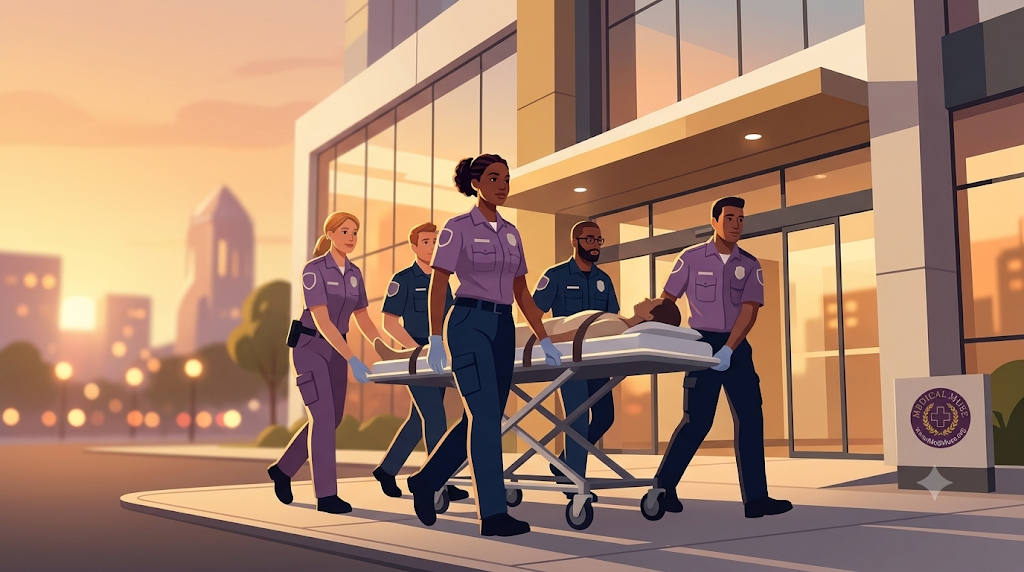
Becoming an Emergency Medical Technician offers direct, high-stakes clinical experience in pre-hospital care. EMTs are trained to assess injuries and illnesses, provide immediate emergency medical care, and safely transport patients to medical facilities according to standard NREMT certification protocols. This role demands quick thinking, critical decision-making, and robust patient interaction skills under pressure.
- Insider Strategy: Look for campus-based EMS squads. Many programs actively recruit on college campuses at the beginning of semesters and offer subsidized classes to help you pass your NREMT exam.
3. Medical Assistant (MA)
A Medical Assistant plays a crucial role in the efficient operation of healthcare facilities. Responsibilities include assisting physicians and nurse practitioners with patient examinations and pre/post-operative care, maintaining accurate and confidential electronic patient records in compliance with HIPAA regulations, and handling various administrative tasks.
4. Certified Nursing Assistant (CNA)
A Certified Nursing Assistant provides essential personal care to patients, making a direct impact on their comfort and well-being. This includes assisting with daily living activities, taking vital signs, maintaining a clean and sanitary environment, and ensuring patient dignity. CNAs are at the forefront of inpatient care, providing continuous physical and emotional support.
5. Medical Scribe
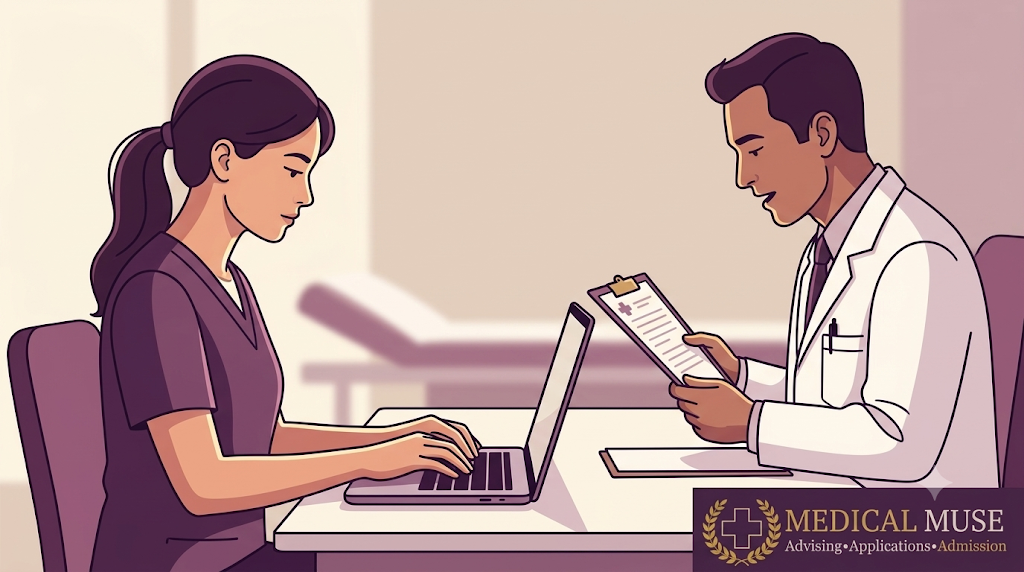
The role of a Medical Scribe offers an immersive experience within the physician’s workflow. Scribes work alongside doctors, meticulously documenting patient encounters in the Electronic Health Record (EHR) in real-time. This includes transcribing physical exams, detailing diagnoses, and recording treatment plans. This position provides excellent insight into medical decision-making.
6. Hospice Volunteer
Volunteering with a hospice organization offers a profound and compassionate form of clinical experience, focusing on palliative care and end-of-life support. Hospice volunteers provide companionship and emotional support to patients and their families, assist with daily activities, and allow family members much-needed respite. This role emphasizes empathy, communication, and holistic patient care.
How We Can Help You Maximize the Impact of Your Pre-Med Experience
Gaining clinical experience through any of these avenues will enrich your understanding of the healthcare landscape and solidify your commitment to a career dedicated to patient well-being. Not only will they help you explore potential specialties, but they will also showcase your foundational skills uniquely on your medical school application. Worried your clinical hours aren’t competitive enough? Sign up for a Medical Muse Profile (Gap) Analysis to get an expert review of your current hours and a personalized roadmap to filling the gaps before you apply.
Want to learn how to make your clinical experience stand out to top admissions committees? Reach out to Medical Muse to learn more about our medical school application packages and pre-med advising programs.
Frequently Asked Questions About Clinical Hours
Do medical schools check your clinical hours?
Yes, medical schools routinely verify your clinical hours. On your AMCAS or AACOMAS application, you must follow the official AMCAS Work and Activities verification guidelines to list a supervisor, their contact information, the total hours completed, and a description of your duties. Fabricating hours is grounds for immediate application rejection.
Can shadowing count as clinical hours for med school?
Shadowing is considered a distinct category separate from hands-on clinical hours. While shadowing is crucial for demonstrating an understanding of a doctor’s daily routine, it is passive observation. Medical schools expect to see active, patient-facing clinical hours alongside your shadowing experience.