Published by Medical Muse, a medical school admissions consulting company that offers personalized support to help medical school applicants successfully navigate the competitive admissions landscape.
Table of Contents
When you are deeply immersed in medical school, your days are full of clinical rotations, anatomy practicals, and maximizing precious hours of sleep. In this high-pressure academic environment, using professional networking platforms like LinkedIn may seem like an unnecessary additional task.
However, utilizing LinkedIn for medical students is an effective, modern strategy to open professional doors, showcase academic achievements, and establish a distinct professional presence long before you enter the residency match cycle. Learning to use LinkedIn effectively can open doors and help you maintain connections with mentors and fellow students.
1. Establishing Your Professional Digital Presence
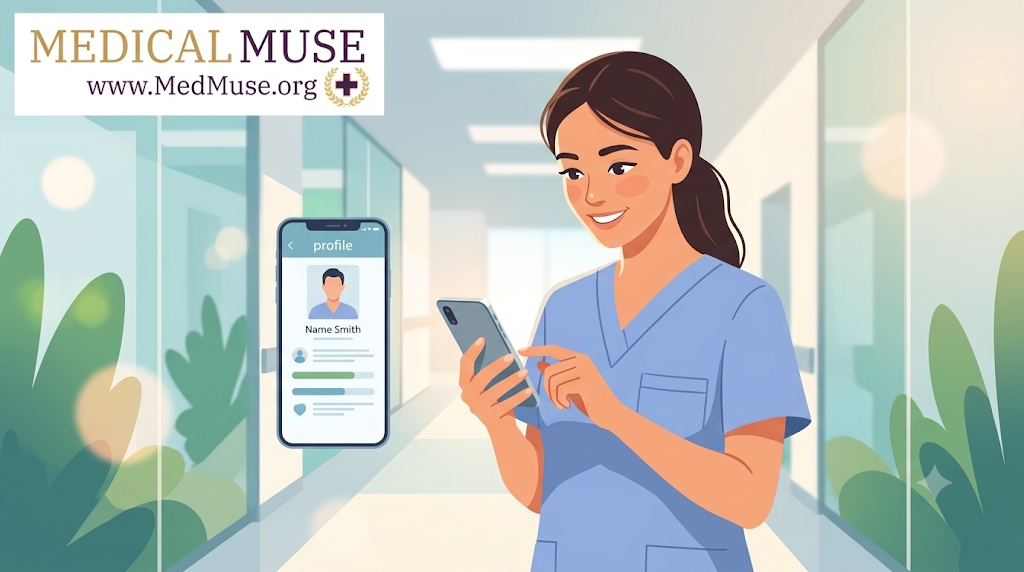
Your online presence functions as a dynamic, living curriculum vitae. Instead of allowing your hard-earned research abstracts, volunteer leadership roles, and clinical accolades to remain hidden in hard-drive folders, a professional profile aggregates and showcases these milestones.
As search algorithms prioritize professional networks, having an optimized profile guarantees that when an attending physician, researcher, or residency director searches your name, they encounter a professional representation of your work. It provides immediate, accessible context to your achievements that a standard paper resume simply cannot replicate.
2. Medical Professional Networking
The Quick Answer
Utilizing digital platforms allows medical students to maintain long-term connections with guest lecturers and principal investigators met during brief clinical encounters or national medical conferences.
Medicine is a field built upon mentorship and professional collaboration. Digital connections can expand your network greatly.
Whether you interact with a prominent specialist during an elevator ride, a poster presentation, or an away rotation, connecting digitally can preserve that relationship. Online touchpoints keep you on their radar, potentially turning brief encounters into sustained professional mentorships that may yield letters of recommendation later on.
3. Unlocking Non-Traditional Academic Opportunities
The Bottom Line
Active participation on professional networks exposes students to unadvertised research fellowships, national committee openings, and clinical project collaborations posted directly by healthcare leaders.
Hospitals, global health non-profits, and academic research groups utilize social professional networks to scout for emerging talent. By following institutions and medical sub-specialties aligned with your career goals, you gain real-time visibility into competitive positions.
Interacting with an organization’s publications showcases your genuine interest and clinical curiosity. This proactive digital engagement serves as an excellent icebreaker when communicating with program coordinators or principal investigators regarding open positions.
4. Amplifying Clinical Research and Project Milestones
In Short
Sharing your published papers, projects, or community health initiatives online builds peer-to-peer engagement and establishes niche interest early in your medical career.
Did you recently present a complex case report at a regional symposium? Did your laboratory team publish a new manuscript in a peer-reviewed journal?
Sharing these academic milestones professionally broadcasts your specialized interests to the broader medical community. This transparency demonstrates to competitive programs that you are an active contributor to the advancement of medicine, rather than a passive observer.
5. Curating a Real-Time Medical Intelligence Feed
The global healthcare landscape evolves at a rapid pace, with clinical guidelines, medical technologies, and public health policies constantly shifting.
Following major medical journals and thought leaders allows you to stay up to date on relevant issues. This stream of medical information equips you with insights that can elevate your performance during clinical rounds and residency interviews.
6. Strengthening Your Residency Application Portfolio
The Quick Answer
A well-structured digital profile acts as a powerful complement to your formal Electronic Residency Application Service (ERAS) file, proving your consistent commitment to the field.
Residency selection committees increasingly screen applicants online to gauge their professionalism and cultural fit. According to the Association of American Medical Colleges (AAMC) guide on ERAS selection criteria, professional attributes and holistic residency application portfolios are major components of selection processes.
Seeing your multi-year timeline of professional posts, peer interactions, and endorsements provides directors with qualitative proof of your character, mature professional identity, and readiness for a demanding residency position.
Optimizing Your Digital Profile: A Strategic Comparison
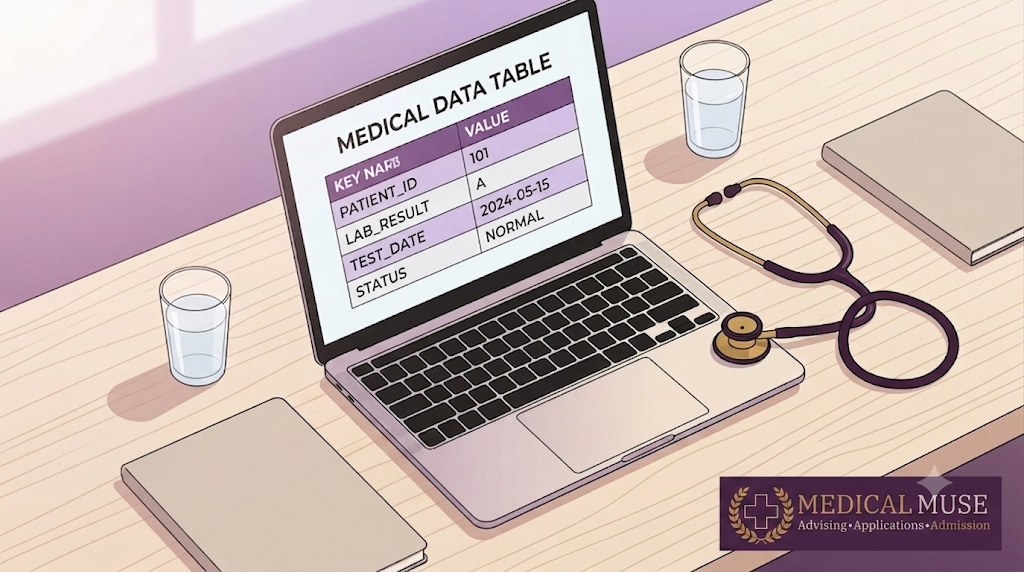
When expanding your medical student digital presence, focusing your efforts on important profile sections yields the best results. The table below breaks down the essential elements required to build a profile:
| Profile Element | Core Strategic Focus | Suggested Content Framework |
| Professional Headshot | Visual credibility | Tips for Taking a Professional LinkedIn Photo |
| Main Headline | Immediate identification | “Medical Student at [Institution] | Aspiring [Specialty] | Clinical Researcher” |
| “About” Section | Personal narrative | A brief summary highlighting your core medical motivations, research passions, and goals. |
| Experience Catalog | Educational & Clinical background | Descriptions of clinical rotations, volunteer clinics, and research hours using active verbs. |
Navigating Your Next Professional Milestones With Medical Muse
Creating a professional identity is a gradual process that rewards early, consistent effort. Rather than waiting until the stress of graduation or the matching process to construct your network, taking small, strategic steps today establishes a foundation that pays massive career dividends down the road.
If you want to ensure your achievements are showcased effectively, aligning your digital narrative with your paper credentials is essential. Our Medical Muse Residency Services provide an expert review of your achievements alongside resume and CV edits to ensure your accomplishments shine. Ready to start building your network? Connect with Dr. Ganguly and Medical Muse on LinkedIn, or contact us through our website!
Frequently Asked Questions
Is it appropriate for a medical student to post clinical anecdotes online?
You may share clinical insights provided you strictly adhere to all federal regulations, such as the HIPAA Privacy Rule, and your local institutional guidelines. Never share identifiable patient data, specific dates, or distinct location details. Focus your posts on your personal educational takeaways and systemic lessons learned rather than specific patient cases.
How can I find medical research mentors through online networks?
Begin by following faculty members and principal investigators at your home institution or target programs. Engage thoughtfully with their research updates by leaving insightful comments or sharing their papers. When reaching out via direct message, keep your query brief, express specific interest in their recent work, and attach your current CV, ensuring it aligns with proper standards like those found in the AAMC guidelines for writing a medical curriculum vitae.
What should I do if my profile lacks extensive clinical experience?
Focus heavily on your current academic journey, volunteer roles, and undergraduate achievements. You can actively document your experiences navigating medical school, summarize interesting medical articles you read, or highlight skills you are learning during labs. Consistent growth is highly attractive to professional mentors.