Published by Medical Muse, a medical school admissions consulting company that offers personalized support to help medical school applicants successfully navigate the competitive admissions landscape.
The Strategic Overview
Understanding the achievements of medicine’s greatest pioneers provides an invaluable map for navigating modern admissions. Dr. Crumpler’s legacy highlights how combining intellectual excellence with a community mission can conquer structural barriers. Today, uncovering and polishing your own unique mission serves as the foundation for your future contribution to patient care.
Table of Contents
How to Get Into Medical School with a Unique Story: Standing Out
To get into medical school with a unique story, your goal is to show how your distinct background naturally informs your clinical purpose. Modern admissions committees prioritize candidates who pair academic rigor with an authentic commitment to addressing real-world public health needs.
The modern journey to a medical degree is competitive, prompting candidates to look beyond basic metrics to differentiate themselves. Looking back at foundational milestones reveals how exceptional applicants have shaped the profession. In 1864, Dr. Rebecca Lee Crumpler shattered deep-seated systemic barriers by becoming the first Black woman in the United States to earn a medical degree, graduating from the New England Female Medical College.
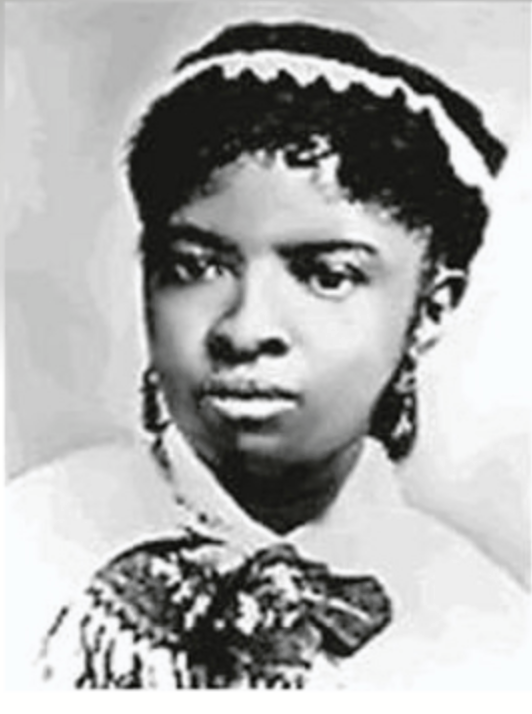
3 Historic Milestones of Dr. Crumpler’s Medical Career
The Takeaway:
Dr. Crumpler’s legacy is a foundational model of resilience, community-focused practice, and pioneering scholarship. By consistently steering her clinical skills toward regions and populations experiencing severe medical neglect, she established a lasting blueprint for patient advocacy and preventative care in the United States.
1. Dedicated Public Health Work in Post-War Richmond
Dr. Crumpler did not treat her medical degree as an isolated credential. Following the conclusion of the Civil War, she chose to leave her established practice in Boston and relocate to Richmond, Virginia. She famously noted that the city would provide “a proper field for real missionary work, and one that would present ample opportunities to become acquainted with the diseases of women and children.”
In Richmond, she provided essential, life-saving healthcare directly to previously enslaved individuals. Working in partnership with the Freedmen’s Bureau, she routinely braved intense institutional hostility to administer clinical care to communities completely shut out from traditional medical infrastructure.
2. Overcoming Deep Systemic Barriers in 19th-Century Medicine
Completing a medical degree in the 1860s required resilience. Dr. Crumpler navigated an educational and professional climate heavily defined by systematic exclusion, becoming the only Black graduate in the history of the New England Female Medical College.
Her entire career was a testament to clinical endurance. Long before entering formal medical school, she spent eight years performing intense hands-on clinical duties as a nurse in Massachusetts, building the practical foundation that would fuel her future leadership.
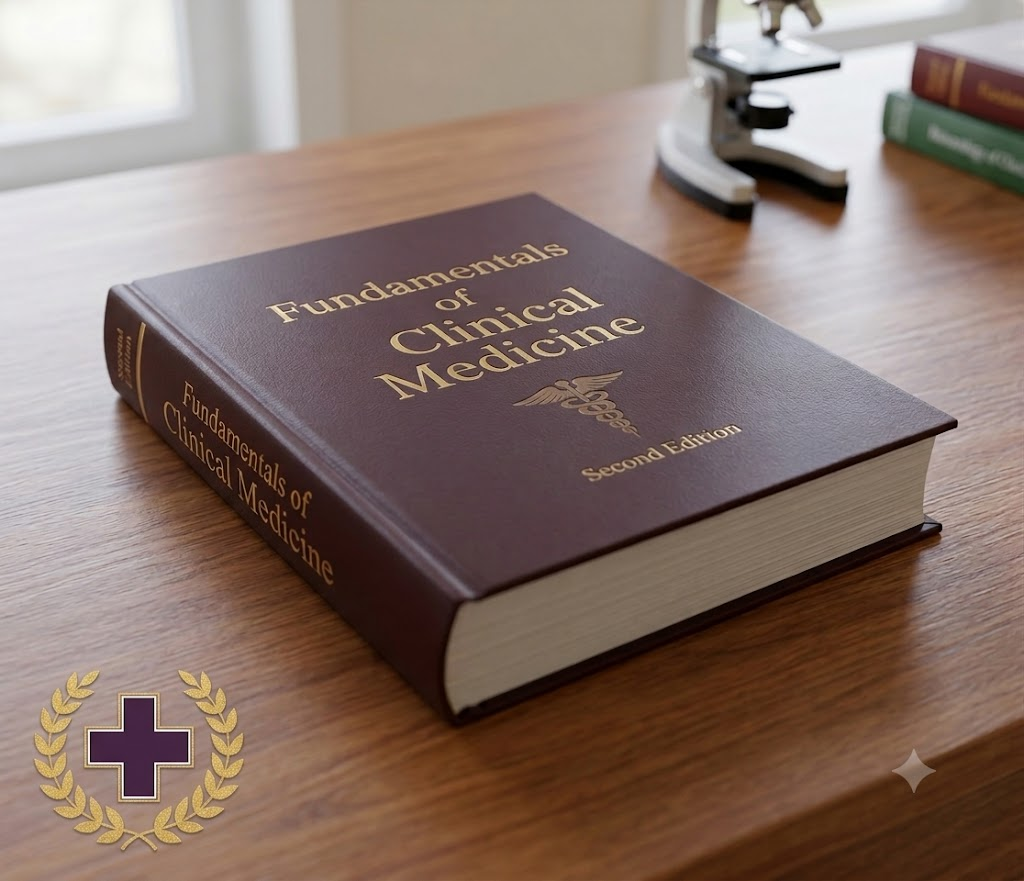
3. Publishing the Historic Book of Medical Discourses
Dr. Crumpler’s legacy was truly cemented in 1883 with the publication of her groundbreaking work, A Book of Medical Discourses in Two Parts. Culled from her own extensive clinical diaries, research notes, and decades of active practice, this text achieved historic status as one of the first medical publications authored by an African-American scholar.
Her writing focused deeply on preventative medicine, proper sanitation, and maternal and pediatric health. By translating her background and direct observations into an accessible medical reference guide, she expanded clinical knowledge and changed the way the medical community approached public health and early childhood wellness.
Channeling History to Shape the Future of Medicine
In summary, Dr. Crumpler is a pivotal historical figure because she showed that academic excellence and community-focused public health work could overcome deep institutional exclusion. Her graduation in 1864 and 1883 publication laid the groundwork for future generations of physicians while pioneering early preventative care strategies for underserved communities.
Her contributions continue to inspire and remind us of the impact one dedicated person can have on the world. While the institutional landscape has evolved since 1864, the medical field’s profound need for resilient, mission-driven, and forward-thinking physicians is greater than ever.
Summary Table
| Category | Obstacles & Early Career | Impact & Achievements |
| Institutional Barriers | Faced pervasive institutional exclusion as the sole Black student at the New England Female Medical College, graduating amidst the intense racial prejudice of the Civil War era. | Overcame systemic biases to become the first African American woman in the United States to earn a formal Doctor of Medicine degree (1864). |
| Clinical Practice & Service | Provided years of vital medical care as a nurse in Massachusetts before her formal training, mastering early clinical skills without institutional backing. | Relocated to postwar Richmond, Virginia, to treat thousands of freed enslaved people through the Freedmen’s Bureau, combating huge rates of illness and neglect. |
| Intellectual & Public Health Contributions | Braved intense professional isolation from physicians who refused to recognize her medical authority or allow her to prescribe medication. | Authored A Book of Medical Discourses (1883), one of the very first medical treatises written by an African American author, focusing on maternal and pediatric preventative medicine. |